



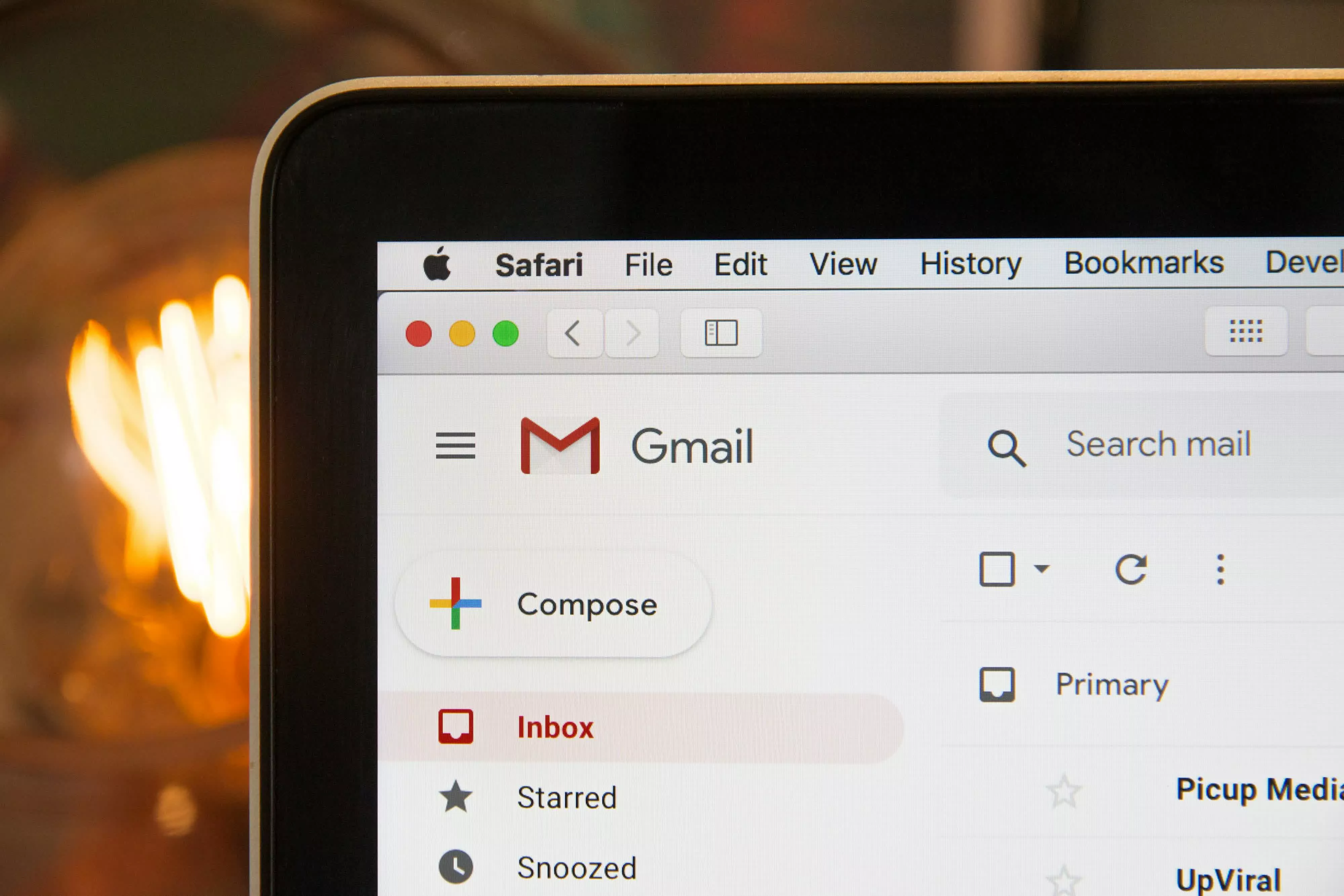
Chopping corners: Loads of folks hold a giant chunk of their lives saved in Gmail and Google Pictures, from flight bookings and receipts to years of household photos. For years, Google has mentioned none of that content material can be used to choose the advertisements they see. That promise now comes with an exception – and it applies to anybody who lets the corporate’s AI dig by way of these apps.
The change sits in Google’s up to date privateness coverage, which took impact on October 16 and was first noticed by Android Authority. The coverage has lengthy mentioned, “We do not present you personalised advertisements based mostly in your content material from Drive, Gmail, or Pictures.” That line continues to be there, but it surely now ends with a qualifier: “except you select to make information from these providers out there to different Google providers that assist personalised advertisements.”
A separate new passage says Search might course of the info folks let it entry to personalize content material, together with advertisements.
The exception principally issues Private Intelligence, an opt-in function that lets Gemini and AI Mode in Search pull context from apps like Gmail and Pictures. It launched for paying subscribers in January earlier than reaching all US customers in March. So if somebody asks AI Mode for issues to do on an upcoming journey, it may possibly verify their resort affirmation in Gmail and previous trip photos earlier than answering.
Whereas the search big says advertisements will not be based mostly instantly on somebody’s Gmail inbox or Pictures library, its assist web page explains that AI Mode might draw on summaries, excerpts, and inferences from related apps, and that this similar data could also be used to indicate advertisements. Advertisers nonetheless cannot entry these apps, although, and delicate classes like well being, faith, and sexual orientation stay off-limits for advert concentrating on.
The corporate has additionally began testing advertisements in AI Mode for folks with Private Intelligence switched on. Again in March, it mentioned that have would keep ad-free for now, although it anticipated advertisements to work equally for related customers down the road.
Gmail advertisements as soon as labored fairly in a different way. Google scanned free accounts to focus on them – a observe that drew lawsuits and regular criticism from privateness advocates. The corporate solely stopped scanning inboxes for advert personalization in 2017, and Gmail stored exhibiting advertisements focused with different information like search and YouTube exercise.
The brand new wording seems to be the primary time since then that Google’s personal coverage has allowed inbox content material to play a component in advertisements, even when solely not directly.
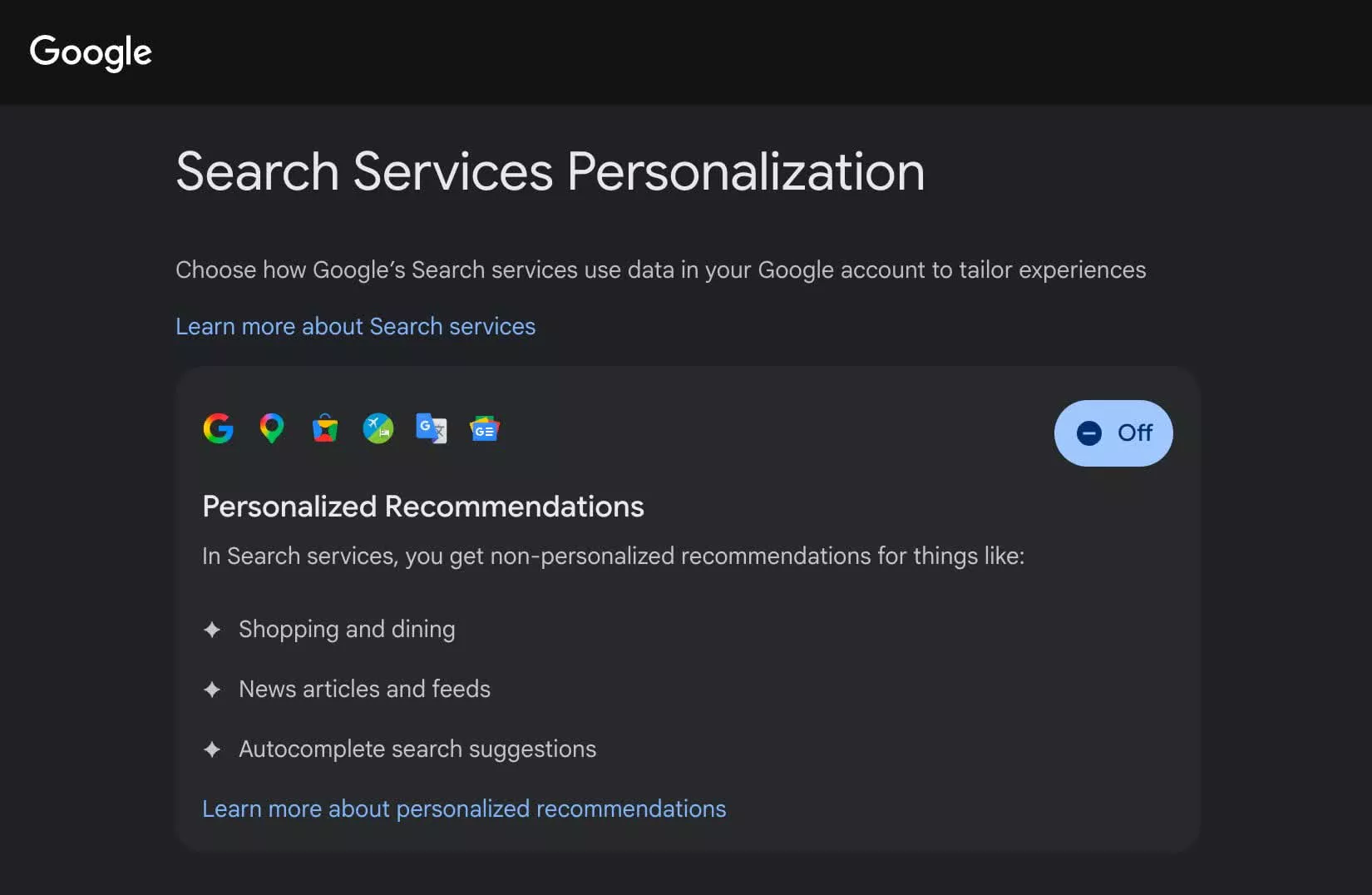
Fortunately, there’s nonetheless a means out. When you’d quite hold your inbox out of it, you possibly can disconnect Gmail and Google Pictures below Linked Content material Apps, which may be present in your Google Account’s Search Companies Personalization settings.
An alternative choice is popping off advert personalization in My Advert Heart, although it does not essentially cease related apps from feeding the AI options.